
Introduction to Fishing in India
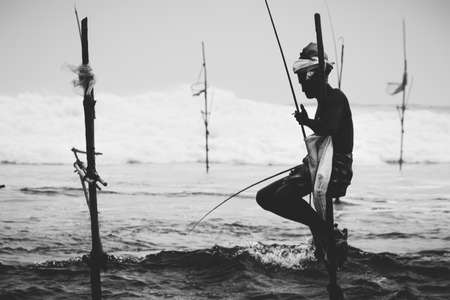
Fishing in India is more than just a livelihood; it’s a soulful journey that flows through generations, rivers, and traditions. Picture the shimmering backwaters of Kerala at sunrise, where fishers cast their nets with ancient skill, their movements almost like poetry. Travel eastward, and you’ll find the mighty Brahmaputra shaping the rhythms of daily life in Assam—where fishing is not just work, but a celebration tied to festivals, folklore, and family gatherings. Across the subcontinent, from coastal villages in Tamil Nadu to inland lakes of Kashmir, fishing weaves together stories of sustenance and spirit. As India grows and changes, the importance of balancing this age-old way of life with sustainable practices becomes ever more vital. In this article, we’ll explore the diverse types of fishing found across India’s vibrant landscape and dive into the government policies shaping a future where both tradition and nature can thrive side by side.
2. Major Types of Fishing Practices in India
When you wander along the Indian coastline or drift beside a riverbank at sunrise, you’ll notice that fishing here is not just an occupation—it’s a way of life with flavors as varied as the spices in a masala dabba. The heart of Indian fisheries pulses through its traditional and modern practices, each shaped by local culture, geography, and community wisdom. Let’s cast our nets into these vibrant waters and discover the major types of fishing practices that make India’s fisheries truly unique.
Traditional Coastal Fishing
Across the 7,500 km stretch of Indian coastline, artisanal fishers still set out at dawn in hand-crafted boats called ‘catamarans’ in Tamil Nadu or ‘vallams’ in Kerala. Using age-old methods—like shore seines and cast nets—they harvest species such as mackerel and sardines, their catch flavored by local rituals and community feasts. These low-impact techniques have been passed down through generations and often reflect the rhythm of monsoon winds and lunar cycles.
Inland & Riverine Fishing
Inland fishing, another vibrant thread in India’s tapestry, thrives along rivers like the Ganges, Brahmaputra, and Godavari. Here, fishers deploy gill nets or bamboo traps to catch freshwater treasures—rohu, catla, hilsa—while floating past lush paddy fields and sleepy villages. Each region has its own style; for example, Assam’s ‘dugout canoes’ glide silently through floodplains during the post-monsoon bounty.
Modern Aquaculture: Blue Revolution
The recent decades have seen a surge in scientific aquaculture—ponds filled with carp in Andhra Pradesh or brackish water shrimp farms along Odisha’s coastlines. This modern approach, often dubbed as part of India’s ‘Blue Revolution,’ combines technology with tradition. Farmers now use aeration systems, formulated feeds, and improved breeding techniques to boost yields while aiming to reduce environmental impacts.
Comparison of Major Fishing Practices in India
| Practice Type | Main Regions | Key Species | Method Highlights |
|---|---|---|---|
| Coastal Traditional | Tamil Nadu, Kerala, West Bengal | Mackerel, Sardines, Pomfret | Hand-cast nets, shore seines, catamarans/vallams |
| Inland/Riverine | Uttar Pradesh, Assam, Bihar | Rohu, Catla, Hilsa | Bamboo traps, gill nets, dugout canoes |
| Aquaculture (Pond/Brackish) | Andhra Pradesh, Odisha, West Bengal | Shrimp, Carp (Rohu/Catla), Tilapia | Pond culture with aeration/feed management; brackish water farming for export species |
| Industrial/Mechanised Trawling | Maharashtra, Gujarat | Prawns, Squid, Ribbon Fish | Larger mechanised boats; deep-sea trawlers; focus on export markets |
A Patchwork of Local Flavours & Regional Uniqueness
No matter where you go—from the backwaters of Kerala to the deltas of Sundarbans—each fishing practice carries its own stories and rhythms. It’s this blend of tradition and innovation that keeps India’s waters teeming with both fish and tales for generations to come.
3. Significance of Fisheries in Indian Livelihoods
Let’s set sail on a laid-back journey through the heart of India, where fisheries weave an essential thread into the fabric of daily life. From the gentle backwaters of Kerala to the vibrant coastal villages of Gujarat and Odisha, fishing is not just an occupation—it’s a way of life for millions. Imagine the crack of dawn, small fishermen casting their nets from traditional wooden canoes, known locally as “vallams,” their faces kissed by the morning sun. These hardworking souls are often part of generations-old fishing communities, relying on the sea’s bounty to put food on their tables and send their kids to school.
If you wander through the bustling fish markets in Mumbai or Kolkata, you’ll be swept up in a symphony of bargaining voices, flashing silver fish, and aromatic spices. Fishmongers—many of them women—skillfully clean and display their catch, connecting rural coasts to urban appetites. In states like Andhra Pradesh and West Bengal, aquaculture ponds shimmer with promise, offering steady income even during off-seasons.
The significance? For more than 16 million Indians, fisheries are a lifeline. They offer employment—not just to those at sea but also along every step of the journey: net-makers, boat builders, ice factory workers, transporters, and vendors all find their livelihoods here. Fisheries contribute substantially to India’s GDP and export earnings too, with Indian prawns and pomfrets making waves internationally.
Yet, this age-old relationship between people and water is delicately balanced. The government recognizes how deeply entwined fisheries are with nutrition and rural development. That’s why sustainable fishing practices and forward-thinking policies aren’t just buzzwords—they’re vital for protecting these livelihoods for future generations. As we drift further into this topic, let’s see how tradition meets innovation under India’s vast blue sky.
4. Indian Government Policies on Sustainable Fisheries
If you travel along India’s vast coastline or wander beside the many rivers and lakes, you’ll see more than just fishermen casting their nets—you’ll glimpse a tapestry of government initiatives woven to protect the future of these waters. Let’s take a gentle cruise through some of the major policies and schemes that shape sustainable fishing in India.
Key Schemes and Acts Supporting Fisheries
The Indian government has launched several programs to encourage responsible fishing and uplift local communities. Here’s a look at some noteworthy efforts:
| Scheme / Act | Main Objective | Impact on Local Fishers |
|---|---|---|
| Blue Revolution (Neel Kranti Mission) | Enhance fish production & productivity; promote aquaculture | Improved infrastructure, training, and better livelihoods for small-scale fishers |
| Pradhan Mantri Matsya Sampada Yojana (PMMSY) | Sustainable development of fisheries sector; boost exports | Financial assistance, modern equipment, increased income opportunities |
| Fishermen Welfare Fund Scheme | Social security & insurance for fishers and their families | Accident cover, health benefits, support during lean seasons |
| The Marine Fishing Regulation Act (MFRA) | Regulate fishing methods & conserve marine resources | Protection of traditional fishers’ interests and marine biodiversity |
| Fish Farmers Development Agency (FFDA) | Promote inland fisheries & aquaculture practices | Technical guidance, subsidies, and access to quality seeds/feed |
Tailored for Indian Waters: Local Focus, Local Benefits
Most Indian policies are crafted with desi sensibilities in mind. For example, seasonal fishing bans are implemented along the east and west coasts during breeding periods—this ensures fish populations can replenish naturally. In Andhra Pradesh or Kerala, local cooperatives often work hand-in-hand with government bodies to monitor catches and enforce sustainable limits.
Cushioning Risks: Insurance & Social Security for Fishers
The life of a fisherman is as unpredictable as the monsoon winds. Recognizing this, various insurance schemes have been introduced by both central and state governments. These provide coverage against accidents, loss of life at sea, and even damage to boats—ensuring families have a safety net when the unexpected strikes.
Looking Forward: A Blue Horizon for Indian Fisheries
Sustainability isn’t just about regulations—it’s about empowering communities to thrive while respecting nature’s rhythms. As we paddle onward, these Indian government policies light the way for a future where rivers and seas remain alive with both fish and stories, ready for generations of new fishermen—and travelers—to discover.
5. Community Involvement and Indigenous Wisdom
Among the vibrant coasts of Kerala, along the sacred rivers of Assam, and across the sun-warmed deltas of Andhra Pradesh, fishing is much more than a livelihood—it’s a living tradition, passed gently from generation to generation. In India, local communities and indigenous peoples have long been the quiet guardians of aquatic ecosystems, weaving their age-old wisdom into the fabric of modern fisheries management. Their stories echo through the gentle lapping of water against wooden boats, reminding us that sustainable fishing is as much about heart as it is about science.
The Strength of Community Bonds
Communities like the Koli fishermen of Maharashtra or the tribal fishers in Odisha are not only skilled at casting nets but also at caring for the waters they depend upon. Village panchayats often set informal rules—such as seasonal bans during spawning or mesh size restrictions—that align with government policies, ensuring that fish stocks remain healthy for years to come. These local guardians often act as the eyes and ears on the ground, quickly noticing shifts in fish populations or water quality and adapting their practices accordingly.
Blending Tradition with Modern Conservation
Today, government policies increasingly recognize the value of this grassroots stewardship. Initiatives like co-management schemes invite community members to participate directly in resource planning, while training programs blend scientific knowledge with traditional skills—like reading river currents or understanding monsoon cycles. For example, in Tamil Nadu’s coastal villages, women’s self-help groups have become champions of mangrove restoration, drawing on ancestral planting techniques to restore these vital fish nurseries.
Stories that Inspire
A fisherman from Gujarat might share how his forefathers taught him to release juvenile hilsa back into the river—a practice now echoed in state regulations. In the Sundarbans, elders recount how careful crab trapping avoids disturbing breeding sites, preserving both their catch and the delicate mangrove ecosystem. Such stories remind us that true sustainability flows from respect: for nature, for heritage, and for each other.
As India journeys toward sustainable fisheries, blending modern policy with indigenous wisdom creates not just hope for tomorrow’s catch—but a beautiful harmony between people and planet.
6. Challenges and the Road Ahead
As we cast our nets into the future, India’s fisheries sector faces its share of choppy waters. Overfishing is a growing concern—many traditional fishing grounds are feeling the pinch as catches dwindle. Pollution, from plastic waste to untreated industrial runoff, threatens marine and inland ecosystems alike. And then there’s climate change, shifting monsoon patterns and warming waters, making fish migration unpredictable and livelihoods uncertain.
The Indian government has not been idle in the face of these tides. Policies like the National Policy on Marine Fisheries and schemes such as Pradhan Mantri Matsya Sampada Yojana aim to promote sustainable practices and support fisherfolk. Community-led initiatives are gaining ground, too—local self-help groups and cooperatives are encouraging responsible fishing, mangrove restoration, and alternate livelihoods during closed seasons.
But navigating these waters takes more than just policy documents; it requires unity. Fisher communities, scientists, NGOs, and government agencies must continue rowing together. Capacity building, awareness drives in local languages, and technology like mobile fishery apps are helping bridge gaps between tradition and innovation.
The road ahead may have its storms, but with resilience—a quality Indian fisherfolk know all too well—and a commitment to sustainability, there’s hope for both our rivers and oceans. By respecting seasonal bans (the “no fishing” periods), reducing single-use plastics, and embracing community monitoring of resources, every stakeholder can help ensure that the bounty of India’s waters remains for generations yet to come.