
1. Introduction to Eco-Tourism at Inland Fishing Hotspots
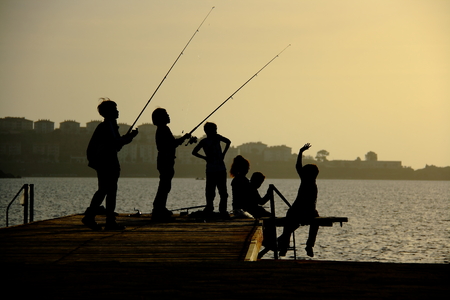
Eco-tourism has emerged as a transformative travel trend across India, blending the spirit of adventure with environmental consciousness. In Central India, eco-tourism is finding its unique identity, especially at inland fishing destinations nestled amidst lush forests, serene lakes, and picturesque riverbanks. Unlike traditional sightseeing, eco-tourism here focuses on sustainable interactions with nature while respecting local cultures and conserving aquatic biodiversity. Both urbanites from cities like Nagpur, Bhopal, and Raipur, and rural families from neighbouring villages are increasingly drawn to these tranquil retreats for a refreshing escape. For many travellers, angling in the heartlands freshwater reservoirs offers a perfect balance between relaxation and excitement, while also providing an opportunity to learn about indigenous fish species and their habitats. With responsible tourism practices gaining ground, these inland fishing hotspots are now being recognised as key contributors to rural livelihoods and environmental awareness. The growing appeal among diverse groups of travellers reflects a shift towards slow travel, mindful exploration, and authentic experiences rooted in Indias vibrant natural heritage.
2. Unique Inland Fishing Destinations in Central India
Central India, with its rich tapestry of rivers, lakes, and reservoirs, offers an exciting array of eco-tourism opportunities for fishing enthusiasts. The states of Madhya Pradesh and Chhattisgarh are particularly renowned for their sustainable fishing destinations, blending natural beauty with local traditions. From the well-known backwaters to lesser-explored gems, these spots promise not only a thrilling angling experience but also a chance to immerse oneself in the heart of Indian culture and biodiversity.
Lakes and Reservoirs: Jewels of Madhya Pradesh
Madhya Pradesh boasts some iconic water bodies that have become popular among eco-conscious anglers. The picturesque Upper Lake (Bada Talab) in Bhopal is not just a city landmark but also a hub for responsible recreational fishing. Tawa Reservoir, set amidst Satpura hills, offers a tranquil escape where anglers can catch indigenous species while enjoying the serene landscape. For those willing to venture off the beaten path, Barna Reservoir near Raisen presents clear waters and vibrant aquatic life, making it ideal for both seasoned fishers and beginners seeking an authentic experience.
Table: Top Fishing Spots in Madhya Pradesh
| Destination | Key Features | Main Fish Species |
|---|---|---|
| Upper Lake (Bhopal) | Urban lake, easy access, scenic views | Catla, Rohu, Mrigal |
| Tawa Reservoir | Forest surroundings, houseboats available | Mahseer, Catfish |
| Barna Reservoir | Lesser-known gem, crystal-clear waters | Tilapia, Indian Carp |
Rivers and Wetlands: Chhattisgarh’s Hidden Treasures
The state of Chhattisgarh is blessed with pristine rivers and wetlands where sustainable fishing has been practiced by local communities for generations. The Mahanadi River is a lifeline for villages along its banks, supporting traditional eco-friendly fishing practices using bamboo traps and hand nets. Dalpat Sagar Lake in Jagdalpur is another hidden wonder—here you can witness the harmonious coexistence of fishing tourism with tribal culture and biodiversity conservation efforts.
Cultural Immersion and Responsible Tourism
What sets these destinations apart is the deep integration of local customs into every fishing adventure. Many eco-tourism operators collaborate with indigenous communities to offer guided experiences where visitors learn about native fish species, conservation challenges, and even participate in folk rituals or community feasts. This not only ensures sustainable livelihoods for locals but also gives tourists an authentic taste of Central India’s soul.

3. Cultural Practices and Local Flavours
Central India’s inland fishing destinations are not just about serene waters and abundant fish—they are living museums of traditional practices shaped by indigenous communities such as the Gond and Baiga tribes. These groups have depended on freshwater resources for centuries, passing down age-old fishing techniques that blend sustainability with a deep respect for nature.
Exploring Traditional Fishing Methods
In villages nestled along the banks of rivers like the Narmada or reservoirs such as Bargi, you will often find local fishermen using bamboo traps, handwoven nets, and even eco-friendly hooks carved from natural materials. Unlike commercial trawling, these methods focus on selective harvesting, ensuring that fish populations remain healthy year after year. For visitors, joining a dawn expedition with a Gond fisherman is an eye-opening experience—watching skilled hands work in harmony with the water, guided by generations of wisdom.
Indigenous Fishing Communities: Gond and Baiga
The Gond and Baiga people are central to the region’s cultural tapestry. Their knowledge of aquatic ecosystems is unmatched, rooted in folklore and practical observation. Many community members believe in rituals before every major fishing trip, seeking blessings from river deities like Ma Narmada. Participating in these ceremonies offers a rare glimpse into a world where spirituality and sustenance are intertwined—a far cry from urban angling clubs.
The Vibrant Food Culture
No visit to Central India’s eco-tourism hotspots would be complete without sampling local delicacies crafted from freshly caught fish. Whether it’s spicy machli curry simmered over a wood fire or tangy river fish pickle served with steaming rice, each dish reflects the land’s bounty and diversity. Small village haats (markets) bustle with activity as women prepare traditional recipes handed down through generations. Sharing a meal here isn’t just about taste—it’s about community, storytelling, and celebrating the enduring bond between people and their rivers.
4. Eco-Friendly Fishing: Rules, Ethics, and Sustainability
Inland fishing in Central India is not just about the thrill of angling; it is also deeply connected to eco-tourism values that respect nature and local communities. As Indian anglers and tourists increasingly visit hotspots like Madhya Pradesh’s Bhopal Upper Lake or Maharashtra’s Wainganga River, understanding eco-friendly fishing becomes essential.
Catch-and-Release Practices: Respecting Our Rivers
Responsible fishing in India often means adopting catch-and-release techniques. This method ensures that prized native species such as Mahseer and Rohu remain abundant for future generations. When practicing catch-and-release, use barbless hooks, handle fish with wet hands, and release them gently back into the water. Local guides usually provide quick training on these practices at major inland fishing destinations.
Government Rules: What Every Angler Should Know
The Indian government has laid out clear regulations to promote sustainable angling. Here is a summary of key rules:
| Regulation | Description | Applicable States |
|---|---|---|
| Fishing License Required | All anglers must obtain a license from local fisheries departments. | Madhya Pradesh, Maharashtra, Chhattisgarh |
| Closed Season (Monsoon Ban) | No fishing during June-August to protect spawning fish. | All central Indian states |
| Size & Bag Limits | Limits on the number and size of fish you can keep. | Varies by location |
| Banned Gear | No use of explosives or poisons; only rod and line allowed. | All states |
Conservation Efforts: Community and NGO Initiatives
Sustainability is strengthened through collaborative projects involving local panchayats, NGOs like WWF India, and state fisheries departments. For example:
- Restocking Programs: Native fish fry are released into rivers post-monsoon to maintain healthy populations.
- Aquatic Habitat Restoration: Efforts to remove invasive weeds and restore riverbanks help improve breeding grounds for indigenous species.
- Eco-Awareness Drives: Educational workshops are held in villages to teach ethical angling and discourage overfishing.
The Indian Way: Harmony with Nature and Culture
Central India’s approach to eco-tourism at inland fishing destinations is rooted in the philosophy of ‘Jal Hi Jeevan Hai’ (Water is Life). By respecting rules, following ethical practices, and supporting conservation efforts, anglers become custodians of both the environment and local traditions. Whether you are casting your line at Satpura’s tranquil lakes or the Narmada’s flowing stretches, let us cherish our rivers so that they may flourish for generations to come.
5. Experiential Activities Beyond Fishing
Nature Trails: Exploring the Verdant Heartlands
No eco-tourism journey to Central India’s inland fishing destinations is complete without venturing onto nature trails that meander through lush forests and alongside tranquil water bodies. These guided walks offer visitors a first-hand experience of the region’s rich biodiversity, from vibrant wildflowers to elusive wildlife. Whether you’re wandering under the shade of ancient sal trees or pausing at a serene lakeside, these trails immerse you in the unique sights, sounds, and scents of Central India’s heartland.
Birdwatching: A Haven for Avian Enthusiasts
Central India’s reservoirs and wetlands double as sanctuaries for migratory and resident birds. Early mornings and evenings are prime times for birdwatching, with opportunities to spot species like the Indian roller, painted stork, and even the stately sarus crane. Local guides, often villagers themselves, share their deep knowledge of birdlife—making each sighting feel like a shared secret of the land.
Village Stays: Authentic Encounters with Rural Life
For those seeking genuine cultural immersion, village homestays near fishing spots provide an opportunity to live as the locals do. Guests participate in daily routines—milking cows, fetching water from wells, learning to cook traditional dishes on wood-fired stoves, or helping mend fishing nets. The warm hospitality of local families ensures every visitor leaves with stories and friendships lasting well beyond their stay.
Celebrating Water: Festivals & Community Participation
Eco-tourists visiting during local festivals gain an extra layer of experience. Many villages in Madhya Pradesh and Chhattisgarh celebrate water bodies through lively events such as Jal Mahotsav or Narmada Jayanti. Visitors can join processions, witness folk performances, taste festive sweets like jalebi and poha, and participate in rituals thanking rivers and lakes for sustenance. These festivals blend spirituality with environmental awareness, leaving a lasting impression on all who attend.
A Holistic Eco-Tourism Experience
The combination of fishing adventures and these experiential activities makes Central India’s inland destinations more than just a getaway—they become an enriching journey into nature and culture. Every moment spent off the boat or away from the rod adds depth to your eco-tourism story, turning a simple trip into cherished memories deeply rooted in Indian soil.
6. Local Impact: Supporting Rural Livelihoods
Boosting Village Economies through Eco-Tourism
Eco-tourism at inland fishing destinations in Central India has become a lifeline for many rural communities. When tourists arrive to experience the serene lakes, rivers, and traditional angling practices, they also bring economic opportunities. Local villagers set up homestays, small eateries, and craft stalls, offering authentic Chulha-cooked meals and handmade souvenirs. This additional income is crucial, especially during off-season periods when farming or fishing alone may not be sufficient for daily sustenance.
Empowering Women in the Fishing Belt
One of the most heartening impacts of eco-tourism in these regions is the empowerment of women. Many women have stepped into entrepreneurial roles—managing guesthouses, guiding culinary experiences, or leading folk art workshops for visitors. In Madhya Pradesh’s Maheshwar or along the banks of the Narmada, women self-help groups (SHGs) often handle catering and event arrangements for eco-tourism groups. These activities provide them with financial independence and a strong sense of community participation, fostering gender equality in traditionally male-dominated sectors.
Encouraging Youth Employment and Skill Development
Youth migration to cities has been a long-standing issue in Central India’s rural belts. However, eco-tourism linked to inland fishing offers new hope. Youngsters are finding meaningful employment as guides, boatmen, conservation assistants, and cultural interpreters. Some even run social media pages to promote their villages as “hidden gems” for nature lovers and anglers from across India and abroad. By engaging in these activities, local youth not only earn a livelihood but also learn valuable skills like hospitality management, language proficiency, and environmental stewardship.
Community Ownership and Sustainable Growth
The success stories from places like Satpura Tiger Reserve or the Bhedaghat region show that when eco-tourism is community-driven, the benefits are widespread. Villagers collectively decide on tourism policies, ensure fair distribution of earnings, and reinvest part of the profits into improving local infrastructure—be it schools, healthcare centres or better sanitation facilities. This model strengthens social bonds and ensures that growth remains inclusive and sustainable.
Respecting Culture while Creating Opportunities
Eco-tourism initiatives strive to respect indigenous traditions—be it Gond tribal fishing rituals or Bundelkhandi folk performances—while turning them into sources of pride and income. Visitors get an authentic taste of Central India’s living heritage; locals gain recognition for their unique skills. This exchange fosters mutual respect and helps preserve cultural identities amid rapid modernization.
7. Practical Tips for Responsible Travellers
Travel Etiquette: Respecting Local Traditions
When exploring inland fishing destinations in Central India, a little courtesy goes a long way. Always greet locals with a friendly “Namaste” and ask for permission before taking photographs, especially in tribal or rural areas. Dress modestly, covering shoulders and knees, as many communities appreciate traditional attire and modesty. Avoid public displays of affection and be mindful of religious sentiments—Central India is home to diverse faiths and customs.
Permits and Permissions: What You Need to Know
Most eco-tourism spots, especially those near wildlife sanctuaries like Satpura or Kanha, require entry permits. Some fishing zones are managed by local cooperatives or the forest department. It’s wise to check in advance at the nearest tourism office or official website. Carry multiple copies of your ID (Aadhar card or passport) and always follow the guidelines provided by authorities or local guides. Fishing licenses are mandatory in certain regions; obtaining one is both respectful and legally required.
Responsible Travel: Minimising Your Impact
Eco-friendly practices are essential in maintaining the pristine beauty of Central Indian lakes and rivers. Use reusable water bottles, say no to plastic bags, and dispose of waste responsibly—many villages have community bins or composting pits. Stick to marked trails when trekking around water bodies to avoid damaging fragile flora. If you’re angling, practice catch-and-release unless otherwise guided by locals, ensuring fish stocks remain healthy for future generations.
Engage Authentically with Local Communities
Stay at homestays or eco-lodges run by local families to experience true Central Indian hospitality—expect homemade dal-baati-churma and piping hot chai! Participate in village walks, folk music evenings, or pottery workshops; these interactions support community livelihoods while offering an authentic glimpse into rural life. Always buy handicrafts directly from artisans rather than markets for fair trade practices.
Respect Nature’s Rhythm
Avoid loud music or noise pollution near water bodies; it disturbs both aquatic life and fellow visitors. Sunrise and sunset are magical times to enjoy the landscape—perfect for birdwatching or peaceful reflection. Remember, wild animals have right of way; maintain safe distances and never attempt to feed them.
Final Thought
Travelling responsibly in Central India isn’t just about following rules—it’s about embracing “Atithi Devo Bhava” (the guest is God) while honouring the land and its people. With these simple tips, you’ll not only enrich your own journey but also help preserve Central India’s unique inland fishing heritage for generations to come.