
Introduction to Indian Marine Fisheries
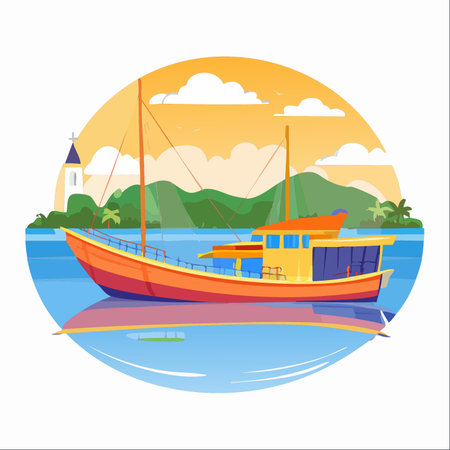
India’s marine fisheries sector is nothing short of a powerhouse, anchoring the economic, nutritional, and social fabric of the nation’s vast coastal belt. Stretching across more than 7,500 kilometers—from the spirited shores of Gujarat and Maharashtra in the west to the bustling harbors of Andhra Pradesh, Tamil Nadu, and West Bengal in the east—this coastline is a testament to India’s maritime legacy and its strategic advantage in the blue economy. For millions of Indian families, especially in fishing villages from Kerala’s backwaters to Odisha’s deltas, marine fisheries mean more than just occupation; they represent tradition, sustenance, and a way of life. The sector supplies affordable protein to the masses, supports ancillary industries like ice plants and net making, and drives export revenues that fuel local economies. As India pushes forward with its Blue Revolution (Neel Kranti), marine capture fisheries remain at the frontline—powering livelihoods, securing food for over a billion people, and propelling the country towards global leadership in sustainable seafood production.
Diversity of Trawlers & Boats across Coastal States
India’s extensive coastline, stretching over 7,500 kilometres, is home to a vibrant array of trawlers and boats uniquely adapted to the conditions and fishing traditions of each coastal state. This diversity is not just a reflection of local ingenuity but also a strategic response to differing marine environments, target species, and cultural preferences. In this segment, we explore how regions like Gujarat, Kerala, Tamil Nadu, Andhra Pradesh, and the eastern seaboard have cultivated distinctive fleets that power India’s marine fisheries industry.
Indigenous Crafts: From Mechanised Trawlers to Artisanal Boats
The Indian marine fisheries sector harnesses both mechanised and non-mechanised crafts. Mechanised trawlers—fitted with engines and advanced gear—dominate in states like Gujarat and Tamil Nadu, where deep-sea fishing for high-value catch such as prawns and cuttlefish is prevalent. In contrast, artisanal boats crafted from locally available materials are still common along the backwaters of Kerala or the shallow coasts of Andhra Pradesh, supporting small-scale fishers who rely on traditional skills passed through generations.
Regional Fleet Diversity: A Comparative Overview
| State/Region | Popular Craft Types | Main Features | Target Species |
|---|---|---|---|
| Gujarat | Mechanised Trawlers Gillnetters |
Large size High engine capacity Advanced navigation |
Prawns, Pomfret, Bombay Duck |
| Kerala | Traditional Vallam Plywood Canoes Motorised Country Boats |
Maneuverable Suited for estuaries/backwaters Sustainable gear use |
Sardines, Mackerel, Anchovies |
| Tamil Nadu | Stern Trawlers FRP Boats Kattumaram (Catamarans) |
Fibreglass construction Multi-day fishing trips Crew-oriented operations |
Prawns, Seer Fish, Tuna |
| Andhra Pradesh | Dinghies Mechanised Gillnetters Punt Boats |
Lighter build Suits shallow waters Easily repairable design |
Prawns, Hilsa, Ribbon Fish |
| Eastern Seaboard (Odisha & West Bengal) | Dinghies Bass Boats Country Crafts |
Flat-bottom hulls Cultural designs Simplicity in technology |
Ilish (Hilsa), Catfish, Crabs |
Cultural Integration & Community Identity
The choice of craft is deeply interwoven with local community identity. For instance, the catamarans—locally called ‘kattumaram’—of Tamil Nadu symbolise resilience and adaptability against rough Bay of Bengal conditions. Meanwhile, the ‘vallam’ of Kerala showcases eco-friendly fishing practices suited to backwaters and inland lakes. These indigenous vessels not only support livelihood security but also reinforce cultural pride among coastal communities. The regional specialisation ensures that India’s fisheries are both economically competitive and culturally grounded in their respective coastal landscapes.
3. Fishing Techniques and Gears: Blending Tradition and Innovation
India’s marine fisheries sector is a battleground where time-honoured fishing traditions collide with cutting-edge technology, resulting in a uniquely competitive edge. From the palm-fringed coasts of Kerala to the vibrant harbours of Gujarat, Indian trawlers and boats deploy a spectrum of fishing gears—each adapted to local culture, ecology, and operational challenges.
Traditional Practices: The Soul of Indian Fisheries
For generations, artisanal fishers have relied on indigenous crafts like vallams, catamarans, and wooden canoes. These vessels are expertly crafted to tackle rough monsoon seas and shallow coastal waters. Traditional gears such as cast nets, hook-and-line systems, and shore seines are not only environmentally conscious but also allow for selective harvesting—helping preserve precious fish stocks while honouring community fishing rights. The skillful use of these methods demonstrates respect for both marine biodiversity and centuries-old cultural heritage.
Modern Trawling Technologies: Upping the Game
The introduction of mechanized trawlers has revolutionized India’s marine fisheries industry. Fitted with high-powered engines, GPS navigation, echo sounders, and hydraulic winches, these steel or FRP (fibre-reinforced plastic) vessels can venture far offshore and haul in larger catches efficiently. Indian trawlers commonly deploy otter board trawls, shrimp trawls, and pelagic longlines—gears that maximize yield while minimizing labour costs. Fishers now leverage real-time data on fish shoals and oceanographic conditions to optimize their voyages—a tactical advantage in the highly competitive seafood market.
Unique Adaptations: Winning Against Nature & Policy
The Indian coastline faces fierce monsoon winds and fluctuating fish stock availability. Fisherfolk showcase remarkable adaptability by modifying gear types and fishing schedules according to seasonal bans, government regulations, and oceanic trends. For example, during the monsoon trawl ban—imposed for conservation—many switch to gillnets or target non-trawl species close to shore. Multi-day trawlers are equipped with insulated holds and ice storage to maintain catch quality during extended trips at sea. Such resilience highlights the industry’s ability to strategize against regulatory constraints while ensuring sustainability.
The Competitive Spirit: Balancing Progress and Preservation
The fusion of traditional wisdom with modern innovation is India’s secret weapon in the global fisheries arena. By continuously adapting their tactics—whether through eco-friendly gears or state-of-the-art vessels—Indian fishers reinforce their dominance while safeguarding future resources. This dynamic blend not only fuels economic growth but also preserves the unique fabric of India’s coastal communities.
4. Economic Impact and Societal Contributions
Indian trawlers and fishing boats are not just the backbone of the marine fisheries industry—they are engines of economic growth and pillars of coastal societies. Across India’s expansive coastline, these vessels create a ripple effect that goes far beyond landing catches at the harbour. Their impact is felt in bustling fish markets, household incomes, women’s empowerment, and thriving local businesses.
Employment Generation: A Game Changer for Coastal India
The operations of trawlers and boats provide direct jobs to thousands of fishers—both full-time and seasonal. But their influence doesn’t stop there. The entire value chain, from net mending to ice supply, transportation, processing, and retailing, supports a huge workforce. Below is a snapshot:
| Activity | Direct Jobs | Indirect Jobs |
|---|---|---|
| Trawling & Fishing Operations | Boat Crew, Skippers | Mechanics, Fuel Suppliers |
| Fish Landing & Sorting | Sorters, Graders | Transporters, Auctioneers |
| Processing & Packaging | Packer Women, Supervisors | Cold Storage Staff, Export Agents |
Sustaining Vibrant Fish Markets
The regular landings by Indian trawlers ensure a steady supply of fresh seafood to local markets—from Kochi’s Matsya Bhavan to Visakhapatnam’s bustling harbourside stalls. This sustains market vibrancy and price stability, making fish affordable for millions. The robust supply chain built around trawler landings is vital for food security along India’s coast.
Empowering Women in Fisheries Value Chains
A unique facet of the Indian marine sector is the critical role played by women. While men often dominate seagoing activities, women command authority onshore—as fish sorters, processors, sellers in markets (especially in Kerala and Tamil Nadu), and even as cooperative leaders. Micro-entrepreneurship by women in value-added products like dry fish, pickles, and ready-to-cook seafood has become a proven model for rural income generation.
Women’s Roles in Marine Fisheries Value Chain (Sample)
| Stage | Key Activities by Women |
|---|---|
| Post-Harvest Handling | Sorting, Cleaning, Ice Packing |
| Processing & Preservation | Drying, Salting, Pickle Making |
| Retail & Marketing | Market Sales, Door-to-Door Vending |
Nurturing Local Entrepreneurship & Social Cohesion
The trawler economy also nurtures local entrepreneurship—ice plants, boat repair workshops, logistics operators, and small-scale exporters all rely on this vibrant ecosystem. Fishermen’s cooperatives foster collective bargaining power and community solidarity, driving social upliftment projects such as education scholarships and healthcare camps.
Trawlers and boats thus act as multipliers—fueling livelihoods across generations while strengthening coastal society’s resilience. In every port town from Gujarat to Odisha, their economic impact and social contributions remain unmatched—a testament to India’s competitive spirit on the waves.
5. Sustainability, Challenges, and Future Prospects
The Challenge of Overfishing: Striking the Right Balance
In the current scenario, overfishing has emerged as a formidable challenge for Indian trawlers and boats operating along our vast coastline. The intense competition among mechanised vessels—especially in high-yield zones like Gujarat, Kerala, and Tamil Nadu—has led to depletion of key marine stocks such as Indian mackerel and prawns. This not only threatens the livelihoods of lakhs of traditional fishermen but also puts the long-term health of our oceans at risk.
Regulatory Measures: Rules That Matter
The Government of India, recognising these concerns, has rolled out several regulatory measures tailored to local contexts. Seasonal fishing bans, mesh size regulations, and licensing restrictions are enforced by state fisheries departments. While these steps aim to ensure breeding cycles are protected and juvenile catch is minimised, ground-level enforcement remains an ongoing battle against illegal practices and lack of awareness among boat owners.
Pushing for Sustainable Fishing Practices
Progressive trawler operators are now adopting sustainable fishing techniques—such as turtle excluder devices (TEDs), fuel-efficient engines, and selective gear modifications—to reduce bycatch and environmental impact. There is a growing movement among coastal communities towards community-based resource management, where fishermen take collective responsibility for monitoring catch limits and protecting nursery habitats.
Government Initiatives: PMMSY & Beyond
The Pradhan Mantri Matsya Sampada Yojana (PMMSY) stands out as a game-changer for India’s marine fisheries sector. With its focus on modernising fishing fleets, providing cold chain logistics, promoting aquaculture clusters, and ensuring fishermen’s welfare through insurance schemes and skill development, PMMSY is empowering both trawler associations and small-scale boat operators. Schemes like “Matsya Setu” e-learning app further strengthen grassroots knowledge about sustainable practices.
The Road Ahead: Innovation Meets Tradition
Looking forward, the future of Indian marine fisheries lies in balancing tradition with technological innovation. Success will depend on collaboration—between government bodies, research institutes like ICAR-CIFT, industry players, and the fishing communities themselves. By embracing traceability systems, digital catch monitoring apps, and eco-labelling for exports, Indian trawlers and boats can secure global market access while ensuring our seas remain vibrant for generations to come. Together, we must transform challenges into opportunities—making sustainability the new mantra for India’s blue revolution.