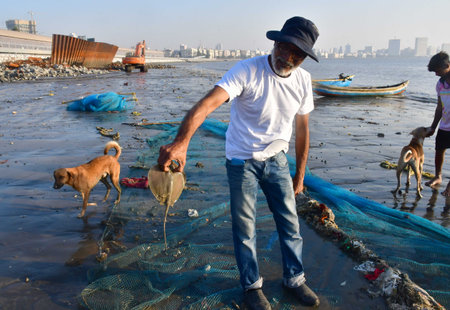

Introduction: The Role of Indian Youth in Fisheries
India, blessed with mighty rivers like the Ganges and Brahmaputra, as well as an extensive coastline stretching from Gujarat to Tamil Nadu, has always held a deep connection to its aquatic heritage. Today, this bond is evolving as the nation’s youth step up as passionate custodians of sustainable fisheries. From the bustling ghats of Varanasi to the vibrant fish markets of Kochi, young Indians are championing new approaches and innovative practices that blend tradition with cutting-edge technology. Their efforts not only honour ancestral livelihoods but also drive the transformation towards environmental stewardship and economic resilience. With a spirit rooted in unity—be it through community-driven initiatives or leveraging digital tools—India’s youth are setting a bold example for the world, anchoring their ambitions in both cultural pride and a shared vision for a brighter, more sustainable future.
Traditional Knowledge Meets Modern Innovation
Indias fisheries have always been deeply rooted in centuries-old wisdom, with states like Kerala and Gujarat standing as prime examples of how traditional methods sustain both livelihoods and marine ecosystems. Today, Indian youth are stepping up to bridge the gap between this invaluable heritage and modern technology, driving a revolution towards sustainable fisheries for a brighter Bharat.
Learning from Local Legends
Communities in Kerala have long practiced artisanal fishing, using indigenous knowledge to monitor fish migration and seasonal breeding. Similarly, in Gujarat, age-old net weaving techniques and weather prediction based on local signs have ensured resource conservation. Youngsters are now documenting these insights, ensuring that this treasure trove of knowledge is not lost but leveraged for future generations.
Integrating Technology for Sustainable Growth
The new generation is infusing innovation into the fisheries sector by introducing sustainable equipment such as solar-powered boats, eco-friendly nets, and digital catch monitoring systems. Mobile apps help fishermen access real-time weather updates and market rates, while GPS-enabled devices ensure responsible navigation and reduce overfishing risks.
Comparing Traditional vs Modern Approaches
| Aspect | Traditional Wisdom (Kerala/Gujarat) | Modern Innovation |
|---|---|---|
| Fishing Techniques | Casting nets, selective species targeting | Sustainable gear (e.g., circle hooks), sonar mapping |
| Resource Management | Seasonal bans, community-based rules | Data-driven quotas, catch documentation apps |
| Equipment | Coconut fiber nets, wooden boats | Bamboo-reinforced eco-nets, solar or electric boats |
| Knowledge Sharing | Oral traditions, apprenticeship model | E-learning platforms, digital storytelling |
Youth as Change-Makers in Indian Fisheries
The synergy between ancient practices and modern tools is being championed by Indias youth through local NGOs, campus clubs like NSS (National Service Scheme), and tech startups. Their efforts not only improve yield and efficiency but also preserve biodiversity and cultural identity. In blending tradition with innovation, young Indians are proving that sustainable fisheries are not just a dream—they are an achievable mission for a brighter India.

3. Skill Development and Empowerment Initiatives
India’s youth are at the heart of transforming the fisheries sector, and local skill development programmes are ensuring they have the tools to make an impact. Across coastal states like Kerala, Andhra Pradesh, Tamil Nadu, and Odisha, targeted training initiatives are unlocking potential and nurturing tomorrow’s leaders in sustainable fisheries.
Showcasing Local Training Programmes
From hands-on workshops on advanced aquaculture techniques to digital literacy camps tailored for young fisherfolk, grassroots organisations are empowering youth with essential skills. Notable examples include village-level fish processing training in Gujarat and eco-friendly gear-making sessions led by women’s collectives in West Bengal. These practical modules are not only improving employability but also fostering a deep sense of pride among local youth.
Government Yojanas: Laying a Strong Foundation
The Indian government is also driving change through flagship schemes like the Pradhan Mantri Matsya Sampada Yojana (PMMSY) and Rashtriya Krishi Vikas Yojana (RKVY). These yojanas offer financial support, technical guidance, and mentorship for young entrepreneurs interested in starting hatcheries, cold storage units, or value-added fisheries businesses. Youth are being encouraged to leverage Mudra loans and PMEGP for setting up their own ventures, accelerating India’s blue economy vision.
Grassroots Youth Collectives: Powering Upskilling & Entrepreneurship
Dynamic youth collectives such as the Fisher Youth Federation in Maharashtra and Blue Warriors Network in Andhra Pradesh are championing peer-led learning and innovation. By organising hackathons, mobile app-building challenges, and sustainable fishing competitions, these groups are equipping young Indians with tactical know-how while promoting responsible resource management. Their collaborative spirit is breaking down barriers—be it gender bias or lack of market access—and inspiring more youngsters to take charge of their community’s prosperity.
Through these multi-layered efforts, India’s youth are not just securing their own futures—they’re powering a nationwide movement towards sustainable fisheries and a brighter tomorrow.
Championing Eco-Friendly Gear and Practices
India’s youth are taking centre stage in transforming the fisheries sector by embracing eco-friendly gear and sustainable practices, aligned with the nation’s unique biodiversity. Young champions from Kerala to Gujarat are rewriting the rules of fishing, swapping out traditional, environmentally harmful methods for innovative solutions that protect our aquatic ecosystems and ensure long-term prosperity for all coastal communities.
Adoption of Environment-Friendly Nets
One of the most significant shifts led by Indian youth is the adoption of selective fishing nets that drastically reduce bycatch—the unintentional capture of non-target species. These modern nets not only safeguard endangered species but also enhance the quality of catch, fetching better market rates. Youth collectives in Tamil Nadu and Odisha have collaborated with local elders to integrate these nets while maintaining cultural fishing techniques, demonstrating a perfect blend of tradition and technology.
Strategies for Reducing Bycatch
| Method | Description | Impact on Biodiversity |
|---|---|---|
| Turtle Excluder Devices (TEDs) | Special grids fitted to trawl nets allowing turtles to escape | Reduces turtle mortality, preserves marine balance |
| Mesh Size Regulation | Youth advocate larger mesh sizes to prevent juvenile fish capture | Ensures sustainable fish populations for future generations |
| Night Fishing Restrictions | Limiting night-time netting in sensitive areas as per local advisories | Protects breeding cycles and minimizes accidental catches |
Responsible Aquaculture Initiatives
The new generation is not just innovating at sea—they are also revolutionising aquaculture on land. Youth-led startups in Andhra Pradesh are adopting polyculture systems where fish, prawns, and aquatic plants coexist, mimicking natural ecosystems. This approach reduces disease outbreaks and chemical use, ensuring healthier produce and cleaner water bodies. Furthermore, these young entrepreneurs are engaging with local panchayats to share best practices and scale up impact across villages.
Culturally Rooted Innovation for a Brighter India
Youth involvement goes beyond technology; it’s about fostering a sense of stewardship anchored in Indian values—like ‘Vasudhaiva Kutumbakam’ (the world is one family). By championing eco-friendly gear and sustainable tactics, today’s young Indians are safeguarding livelihoods while honouring the sacred bond between humanity and nature. Their passion and tactical mindset are paving the way for a truly Atmanirbhar Bharat (self-reliant India) in fisheries management.
5. Community Collaboration and Leadership
Young Champions Steering Change on the Ground
Across India’s vibrant coastal belts and riverine communities, an energetic wave of youth leaders is redefining the future of sustainable fisheries. These dynamic individuals, many of whom hail from traditional fisher families or are active in college clubs, are not just talking the talk—they are walking the walk with a ‘can-do’ attitude. By leveraging local networks, they’re rallying their peers for collaborative action inspired by flagship missions like Jal Jeevan Mission and Swachh Bharat.
Fishers’ Cooperatives: The Heartbeat of Local Action
In places like Andhra Pradesh, Kerala, and Gujarat, fishers’ cooperatives have become command centres for grassroots change. Young presidents and secretaries are introducing tech-driven catch management, beach clean-ups, and responsible gear use—making sustainability cool and competitive. Their WhatsApp groups buzz with daily updates, tips on sustainable practices, and calls to join hands for community initiatives.
College Clubs: The New Wave of Influence
Meanwhile, university students from IIT Madras to Goa University are forming eco-clubs that take inspiration from national movements. Through workshops, hackathons, and clean-up drives, they are not only spreading awareness but also creating friendly rivalries between campuses—who can organize the cleanest riverbank or innovate the best fish waste recycling solution? This spirit of competition turbocharges participation while building a sense of pride in protecting India’s aquatic wealth.
Mentoring and Skill-Sharing: The Winning Formula
Seasoned fishers mentor the next generation, sharing indigenous wisdom about tides and stocks while young leaders introduce mobile apps for data collection. This cross-generational teamwork ensures every initiative is grounded in both tradition and innovation—a true jugalbandi (synergy) unique to Indian culture.
The Power of ‘Local to National’ Movement
These youth-led collaborations are becoming launchpads for larger campaigns—feeding into state-level policy discussions and national platforms. As these young influencers make waves locally, their success stories inspire others across Bharat to step up. It’s this collective leadership—anchored in community spirit and driven by youthful ambition—that is truly building a brighter India through sustainable fisheries.
6. Overcoming Challenges: From Monsoons to Market
India’s youth are no strangers to adversity—especially when it comes to the unique challenges facing sustainable fisheries. The first major barrier is seasonal risk, particularly the monsoon. During this period, traditional fishing communities along the coasts of Kerala, Tamil Nadu, and West Bengal face unpredictable weather and dangerous seas. Young innovators are tackling this by adopting advanced weather forecasting apps and sharing real-time data within WhatsApp groups, ensuring safer practices and fewer losses.
Market Access: Breaking Through Middlemen
Another stumbling block is limited market access. For decades, small-scale fishers have relied on middlemen who often dictate prices and restrict profits. Today’s youth are leveraging e-commerce platforms and mobile payment systems like UPI to directly connect with urban consumers. Initiatives such as MatsyaKart and FishBazaar are enabling young entrepreneurs to control their own supply chains from catch to customer, maximizing returns and reducing exploitation.
Challenging Traditional Mindsets
Cultural resistance remains a formidable obstacle. Older generations may view new technology or sustainable methods with skepticism, favouring age-old techniques. Young leaders are rising up as change agents—organizing workshops in local dialects, using social media reels in Hindi, Tamil, and Bengali, and inviting respected elders to witness the benefits of eco-friendly nets and aquaculture firsthand. This bridge-building is vital for widespread adoption.
Strategic Adaptation: The Indian Way
Indian youth are not just fighting these battles individually—they are forming collectives and cooperatives that reflect the spirit of sangathan mein shakti hai (strength in unity). By pooling resources for cold storage or transport, sharing knowledge about government schemes like PMMSY (Pradhan Mantri Matsya Sampada Yojana), and collaborating with NGOs for capacity-building, they’re crafting homegrown solutions tailored to local realities. Through their resilience and tactical thinking, India’s young generation is proving that with the right strategy, every challenge can be turned into an opportunity for a brighter future.
7. Envisioning a Brighter, Sustainable India
As we look towards the future, it becomes clear that Indias youth are at the very heart of building an atmanirbhar (self-reliant) and climate-resilient fisheries sector. Their innovative spirit, tech-savvy mindset, and deep connection to their roots empower them to champion sustainable practices that can transform coastal and inland communities alike. By harnessing traditional wisdom alongside modern technologies—whether through improved aquaculture methods, mobile-based market linkages, or grassroots environmental campaigns—India’s young leaders are redefining what it means to be stewards of our nation’s aquatic wealth.
More than ever, the fisheries sector calls for action-oriented leadership that is responsive to both local realities and global climate challenges. Youth-driven initiatives, from forming self-help groups in Tamil Nadu to launching eco-friendly start-ups in Kerala and Odisha, showcase the power of jugaad (resourceful innovation) when matched with purpose. With the government’s continued focus on empowering youth under schemes like PMMSY and Start-Up India, young Indians have unprecedented opportunities to drive change from within their own villages and towns.
The journey ahead demands not just awareness but sustained action—collaborating with elders, leveraging digital tools, advocating for policy reforms, and fostering entrepreneurship that values both profit and planet. As our youth step up as custodians of India’s blue economy, they inspire hope for a future where prosperity does not come at the cost of ecology.
The vision is bold yet achievable: a nation where every young person involved in fisheries can proudly say they are contributing to a sustainable Bharat—one that thrives on self-reliance, resilience against climate adversity, and a shared sense of responsibility for generations to come. Together, by taking action today, India’s youth are truly building a brighter tomorrow.