
Understanding Indian Winter Fishing Conditions
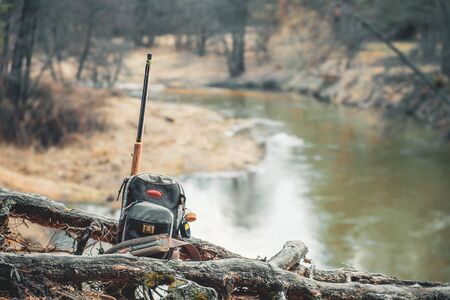
When planning a winter fishing trip in India, it is crucial to understand the diverse weather patterns that can be encountered from north to south. India’s winter season, typically spanning from November to February, brings a spectrum of climatic conditions that directly impact fishing experiences. In Kashmir and Himachal Pradesh, anglers face sub-zero temperatures, frozen streams, and icy winds—necessitating thermal gear and specialised equipment. Moving towards the central states like Madhya Pradesh or Maharashtra, mornings can be chilly but afternoons often warm up, calling for adaptable clothing layers. Down south in Kerala or Tamil Nadu, winters are milder; however, early morning fog and cool breezes along riverbanks and backwaters still require suitable protection. Popular fishing spots such as the Ramganga in Uttarakhand or the Periyar in Kerala each pose unique challenges: cold currents, fluctuating water levels, and regional fish activity patterns all shift with the seasons. Recognising these differences is essential for packing the right gear—ensuring not just comfort but also maximising your chances of a successful catch during India’s dynamic winter months.
Essential Winter Fishing Apparel
When planning a winter fishing trip in India, choosing the right apparel is just as important as selecting your rods and reels. Indian winters can be unpredictable, especially near rivers like the Ganges, lakes in Uttarakhand, or reservoirs in Karnataka. Adopting a layered clothing strategy ensures both comfort and protection against harsh conditions.
Must-Have Layered Clothing
Layering is the backbone of winter fishing apparel. Start with a moisture-wicking base layer to keep sweat away from your skin. Add an insulating mid-layer for warmth—think fleece or lightweight down—and finish with a waterproof, wind-resistant outer shell to protect against riverbank chills and unexpected rain.
Ethnic Options: Embrace Indian Heritage
Winter fishing in India offers a unique opportunity to blend modern gear with traditional attire. Woolen kurtas and shawls are not only culturally relevant but also provide natural warmth and comfort. Pairing these with thermal inners creates a functional yet authentic look that respects local customs while keeping you warm.
Recommended Winter Fishing Apparel
| Layer | Recommended Gear | Indian Touch |
|---|---|---|
| Base Layer | Synthetic/thermal vests & leggings | Cotton thermals available in local markets |
| Mid Layer | Fleece jackets, wool pullovers | Hand-knitted sweaters from Himalayan regions |
| Outer Shell | Waterproof jackets & pants | Ponchos (for light rain), locally made raincoats |
| Add-ons | Woolen socks, gloves, caps | Kullu shawls, woolen kurtas, mufflers |
Selecting waterproof gear is crucial for Indian waterbodies where morning mist and sudden drizzles are common. Always check seams and zippers for quality; cheap imitations may leak under pressure. Investing in reputable brands or trusted local artisans can make all the difference between a comfortable adventure and an uncomfortable ordeal.

3. Special Gear for Indian Waters
When it comes to winter fishing in India, your gear selection can make or break your catch rate—especially if you’re targeting iconic species like Mahseer, Rohu, or Catla. The unique conditions of Indian freshwater bodies demand specialized equipment that’s up to the challenge.
Recommended Rods and Reels for Indian Rivers and Lakes
For battling the fierce Mahseer during the cold months, opt for medium-heavy to heavy spinning rods in the 7-9 ft range, paired with robust spinning reels (size 4000-6000). These combinations deliver both casting distance and backbone required to control hard-fighting fish in fast-flowing Himalayan rivers. For Rohu and Catla, a medium-action rod of around 7 ft with a 3000-4000 reel provides enough sensitivity for lighter bites while still offering muscle for big runs—essential when angling in lakes or reservoirs of states like Karnataka, West Bengal, or Uttarakhand.
Line Selection: Braided vs. Monofilament
Braided lines (20-40 lb test) are highly recommended for their superior strength and abrasion resistance—crucial when fishing rocky riverbeds where Mahseer lurk. However, for Rohu and Catla in clear water, a monofilament line (10-15 lb test) ensures better stealth and natural presentation. Always carry extra spools to adapt to changing conditions on the go.
Lures and Baits That Work in Indian Winters
Colder temperatures slow down fish metabolism, so choose lures that provoke reaction strikes: deep-diving crankbaits, heavy spoons, and soft plastic swimbaits work wonders for Mahseer. For Rohu and Catla, traditional Indian dough baits like atta (wheat flour), besan (gram flour) balls mixed with local flavours such as jaggery or mustard oil remain unbeatable. Don’t forget to pack smaller inline spinners for multi-species opportunities.
Remember: Indian winters can surprise you with sudden weather shifts. Pack a versatile tackle kit tailored to your target species and location—you’ll be ready to outsmart wary giants even on the chilliest mornings by the Ganges or Cauvery.
4. Local Packing Hacks and Jugaad
When it comes to winter fishing trips in India, true champions know that smart packing is a game-changer. The Indian spirit of jugaad—finding simple, creative solutions—can save space, keep gear safe, and ensure your snacks and chai stay fresh all day. Here are some tried-and-tested local hacks for efficient packing:
Desi Storage Ideas for Snacks & Essentials
| Item | Packing Hack | Why It Works |
|---|---|---|
| Snacks (Namkeen, Samosas) | Store in old steel dabba (tiffin box) with tissue lining | Keeps food crispy and prevents sogginess in winter moisture |
| Chai or Coffee | Carry in insulated flask wrapped in a gamcha (cotton towel) | Retains heat longer and protects flask from bumps on rocky paths |
| Bait & Tackle | Reuse empty masala boxes or medicine containers for small items | Airtight, compact, and easily stackable in backpacks or fishing kits |
| First Aid Kit | Pouch inside a zip-lock bag, then wrap with newspaper | Makes it waterproof and easy to spot among other gear |
| Wet Wipes & Sanitizer | Store together in an old sunglass case with rubber band lock | Keeps essentials compact and accessible even with gloves on |
Clever Jugaad for Safe & Efficient Carrying
- Lungi-Style Gear Roll: Use a lungi or dupatta to roll up extra layers, socks, or gloves—doubles as a towel if things get wet.
- Bottle Belt Trick: Attach water bottles to your belt using carabiners—hands-free hydration on the go.
- Shoe Storage: Pack spare socks inside fishing boots to save space and prevent boots from getting crushed.
- Dahi Cup Organizers: Reuse small curd cups to organize lures, hooks, and weights inside your tackle box.
- Plastic Bag Waterproofing: Always line your backpack with a large plastic bag before packing—instant rain protection for all contents.
Sustainability Tip: Go Reusable!
For every hack, try to use reusable items. Old tiffins, glass jars, steel bottles, and cloth pouches not only keep your gear organised but are also eco-friendly—a win-win for Indian anglers who love both nature and innovation.
5. Safety, Permits, and Regulations
When planning your winter fishing trip in India, safety and compliance with local rules are as crucial as your rods and reels. First things first: always secure the necessary permits specific to your chosen region. Whether you’re heading to Himachal Pradesh’s chilly streams or the vast lakes of Kashmir, each state has its own set of fishing regulations. Visit the local fisheries department website or office beforehand—some regions even allow you to apply for permits online, while others require an in-person visit with ID proofs and passport-size photographs.
Respecting local laws is a matter of pride for every angler. Remember, India’s fishery laws often specify catch limits, restricted zones, and protected species. Ignoring these can not only lead to heavy fines but also jeopardise future access for all anglers. Always double-check the latest notifications, especially since rules may change seasonally due to spawning periods or conservation efforts.
On the safety front, Indian winters can be unpredictable—frosty mornings in Uttarakhand might turn into misty afternoons with slippery riverbanks. Pack a well-stocked first-aid kit including antiseptic cream (a must for leech bites), adhesive bandages, pain relievers, antihistamines for insect bites, and basic medicines for headaches or stomach upsets—carry brands you trust from home as local variants may differ. Also toss in a thermal blanket, water purification tablets, and a whistle for emergencies.
Don’t forget essentials like a headlamp with extra batteries (power cuts are common in remote areas), a sturdy power bank for your mobile phone, and laminated copies of your permits/ID in case of rain or river splashes. If you’re travelling to high-altitude spots like Arunachal Pradesh or Sikkim, acclimatise gradually and keep handy some ORS (oral rehydration solution) sachets.
In summary: pack smart, comply proudly with the law, and respect both nature and local communities. This way, your Indian winter fishing adventure will be safe, legal, and truly memorable!
6. Must-Carry Warmth Essentials and Indian Foods
When you’re gearing up for a winter fishing adventure in India, staying warm and energized is as important as your rod and tackle. The biting cold, especially near Himalayan rivers or chilly Deccan lakes, can take a toll on your performance and enjoyment. Here’s a breakdown of warmth essentials and classic Indian snacks that every angler should pack.
Tea Flasks: Your Lifeline in the Cold
No Indian outdoor experience is complete without a steaming cup of chai. Invest in a high-quality thermal flask that can keep liquids hot for 8-12 hours. Whether you prefer plain black tea or creamy masala chai loaded with spices like ginger and cardamom, these flasks are your ticket to comfort between casts. Pack extra teabags or pre-mixed masala chai powder for quick refills by the riverbank.
Munchies That Fuel Performance
Chikki: The Desi Power Bar
Chikki—crunchy peanut or sesame brittle sweetened with jaggery—is a portable powerhouse of energy. Easy to stash in any pocket or tackle box, chikki gives you an instant calorie boost and is resistant to cold-induced hardening.
Parathas: Hearty & Versatile
Nothing beats homemade parathas rolled with aloo (potato), paneer, or gobi (cauliflower). Wrap them in foil to retain warmth; pair with achaar (pickle) or curd packed in small containers. Parathas are not just filling but also deliver sustained energy during those long waiting periods by the water.
Portable Heaters & Blankets: Tactical Warmth Solutions
If you expect sub-zero temperatures, don’t underestimate the value of compact, battery-operated heaters designed for outdoor use. Choose models that are lightweight yet efficient—perfect for warming up hands between sessions. Add insulated blankets to your checklist; modern synthetic options provide serious warmth without bulky packing.
Pro Tip: Layer Local Wisdom with Modern Gear
Combine these essentials with traditional woolen shawls or monkey caps (balaclavas) available at local markets for an unbeatable blend of Indian comfort and tactical efficiency. By merging desi flavours and smart gear, you’ll stay focused on your catch—not the cold!
7. Eco-Friendly Practices for Responsible Angling
When planning your winter fishing trip in India, it’s essential to pack with environmental responsibility in mind. Packing biodegradable tackle, such as eco-friendly hooks and lines, helps minimise your impact on India’s pristine rivers and lakes. Choose gear made from materials that decompose naturally, ensuring that even if something gets lost, it won’t harm aquatic life.
Managing waste is another critical aspect of responsible angling. Always carry reusable containers and bags to avoid single-use plastics. Dispose of all rubbish properly—never leave behind plastic wrappers, bait containers, or broken gear. Many Indian fishing spots are remote, so plan ahead by bringing a compact trash bag to pack out everything you bring in.
Respecting local customs is vital for building good relationships with local communities and preserving the unique culture surrounding India’s fisheries. Learn about traditional fishing methods and follow the guidance of local anglers or guides. Avoid disturbing religious sites near rivers or lakes, and always ask before accessing private lands or restricted areas.
Preserving India’s diverse aquatic ecosystems means more than just catching fish—it’s about sustaining these environments for generations to come. Stick to catch-and-release practices where appropriate and adhere to state regulations regarding fish species and size limits. Avoid introducing non-native bait or releasing unwanted fish into the water, as this can disrupt delicate ecological balances.
By integrating these eco-friendly habits into your packing routine, you help maintain the beauty and biodiversity of India’s waters while enjoying a rewarding winter fishing experience.