
1. Introduction to Indian Aquatic Diversity
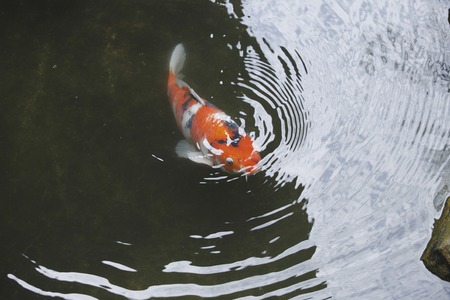
India, with its vast network of rivers, lakes, estuaries, and an extensive coastline along the Arabian Sea and the Bay of Bengal, is renowned for its rich aquatic biodiversity. The country’s diverse fish species inhabit a wide range of ecosystems, from the mighty Ganges and Brahmaputra rivers in the north and northeast to the intricate mangrove systems of the Sundarbans and the vibrant coral reefs off Lakshadweep and Andaman & Nicobar Islands. This immense variety is not just a testament to Indias ecological wealth but also underpins traditional livelihoods, regional cuisines, and cultural practices across states such as West Bengal, Kerala, Assam, and Tamil Nadu.
Freshwater habitats like ponds, reservoirs, and river basins play a crucial role in supporting iconic species such as Rohu (Labeo rohita), Catla (Catla catla), and Hilsa (Tenualosa ilisha)—fishes that are deeply embedded in local economies and festivals. Simultaneously, India’s marine ecosystems sustain commercially significant fishes like Indian Mackerel (Rastrelliger kanagurta) and Pomfret (Pampus argenteus), forming the backbone of bustling coastal fisheries from Gujarat to Odisha. The interplay between these freshwater and marine environments ensures genetic diversity and ecological balance while shaping adaptive strategies unique to Indian fishes. In essence, understanding the life cycles and environmental adaptations of these aquatic organisms requires a keen appreciation for the mosaic of landscapes that define India’s natural heritage.
2. Life Cycle of Prominent Indian Fish Species
Indias freshwater and estuarine environments are home to several iconic fish species, each with a unique life cycle tailored to local ecological rhythms. Understanding the life stages of popular fishes such as Rohu (Labeo rohita), Catla (Catla catla), Hilsa (Tenualosa ilisha), and Murrel (Channa spp.) is crucial for sustainable fisheries management and conservation practices across the subcontinent.
Life Stages of Key Indian Fishes
| Species | Spawning Season | Breeding Grounds | Main Life Stages |
|---|---|---|---|
| Rohu | Monsoon (June–August) | Rivers, Floodplains | Egg → Larva → Fry → Fingerling → Adult |
| Catla | Monsoon (June–July) | Large Rivers, Reservoirs | Egg → Larva → Fry → Fingerling → Adult |
| Hilsa | Pre-monsoon & Monsoon (March–September) | Estuaries, Lower River Reaches | Egg → Juvenile → Sub-adult → Adult (Anadromous migration) |
| Murrel | Mainly Pre-monsoon & Early Monsoon (April–July) | Ponds, Marshes, Weedy Ditches | Egg Mass → Larva → Fry → Adult (Parental care observed) |
Ecological Timelines and Local Breeding Patterns
The timing of breeding in Indian fishes is closely linked to regional monsoon cycles, which replenish rivers and wetlands, creating favourable conditions for spawning. For instance, Rohu and Catla synchronise their breeding with the onset of heavy rains, utilising newly inundated floodplains rich in nutrients. Hilsa, an anadromous fish known for its cultural significance in Bengal and Odisha, migrates upstream from the Bay of Bengal during pre-monsoon showers for spawning. In contrast, Murrels breed in stagnant or slow-moving waters before or during early monsoon, often exhibiting remarkable parental care by guarding their eggs and fry.
Cultural Insights on Breeding Seasons
Across different Indian states, fishing bans are customarily imposed during peak breeding months to protect spawning stocks—a practice deeply rooted in both scientific rationale and traditional wisdom. For example, the Hilsa Ban along the Ganga delta coincides with its migratory run, allowing populations to recover. Such measures underscore the intricate relationship between fish biology and local environmental cues—shaped by centuries of indigenous observation and community-led stewardship.
3. Environmental Factors Influencing Adaptation
India’s diverse geography and climate play a crucial role in shaping the life cycles and adaptive behaviours of native fish species. The influence of unique Indian environmental factors, particularly the seasonal monsoons, river flow dynamics, and temperature gradients, drives both physiological and behavioural adaptations in fishes across the subcontinent.
Monsoons: The Lifeline of Indian Freshwater Ecosystems
The Indian monsoon season, which sweeps across the country from June to September, is not merely a weather phenomenon but a major determinant in the breeding cycles and migration patterns of numerous indigenous fishes. With the onset of heavy rains, river water levels rise rapidly, triggering spawning in species such as the rohu (Labeo rohita) and catla (Catla catla). Monsoon-fed rivers and floodplains create temporary habitats rich in nutrients, supporting larval growth and providing refuge for juvenile fishes. In rural communities along the Ganga or Brahmaputra basins, traditional knowledge often aligns fishing activities with these seasonal cycles, reflecting a deep-rooted understanding of this environmental rhythm.
River Flows and Hydrological Variations
India’s major rivers—like the Ganga, Godavari, Krishna, and Mahanadi—exhibit significant variation in flow due to both natural causes and human interventions such as damming or irrigation projects. Fish species have evolved to cope with fluctuating water volumes; for example, mahseer (Tor spp.) undertake upstream migrations during high flows to access spawning grounds. Conversely, periods of low flow can concentrate fish populations into isolated pools, leading to increased competition for resources but also fostering genetic diversity through localized adaptation. Fisherfolk living in regions like Kerala’s backwaters or Assam’s floodplains adapt their fishing practices according to these changing water regimes.
Temperature Gradients Across Regions
The vast range of temperature zones—from the chilly Himalayan streams to the warm southern peninsular rivers—imposes additional selective pressures on fish communities. Cold-water species such as snow trout (Schizothorax spp.) exhibit slower metabolic rates and specific reproductive timings suited for low temperatures. In contrast, fishes inhabiting tropical waters have developed tolerance to high temperatures and low dissolved oxygen levels—a common occurrence during pre-monsoon summer months. Local fishermen often observe shifts in catch composition with changing seasons, indicating subtle but significant behavioural adjustments among fish populations.
Interconnected Adaptations in Indian Waters
Ultimately, Indian fishes showcase remarkable adaptability that reflects a complex interplay between climatic events like monsoons, regional hydrology, and thermal variations. These adaptations are not only crucial for survival but also sustain local fisheries that are integral to India’s food security and cultural heritage. Understanding these environmental factors provides valuable insights for sustainable management of aquatic resources across diverse Indian landscapes.
4. Traditional and Modern Knowledge in Fishery Practices
Indias rich fishery tradition is deeply embedded within the communities of Kerala, Assam, and West Bengal. These regions are renowned for their distinctive approaches to sustaining fish life cycles, blending ancestral wisdom with modern scientific advancements. The interplay between traditional knowledge and contemporary science not only preserves biodiversity but also ensures the livelihoods of millions who depend on fisheries.
Traditional Wisdom in Fishery Practices
For centuries, local fishers in Kerala have relied on lunar calendars to determine the best times for fishing, spawning, and restocking rivers. In Assam, indigenous techniques such as bamboo fish traps (locally called jaal or chepa) are still prevalent, allowing selective harvesting while protecting juvenile fishes. West Bengal’s Sundarbans region is notable for its mangrove management, which local communities believe is vital for nurturing estuarine fish species through all life stages.
Key Traditional Methods Across Regions
| Region | Traditional Practice | Cultural Significance |
|---|---|---|
| Kerala | Lunar-based fishing schedules | Respects natural breeding cycles |
| Assam | Bamboo traps and selective fishing | Sustains fish populations long-term |
| West Bengal | Mangrove stewardship | Protects nursery grounds for juveniles |
Integration of Modern Science
Recent decades have seen a significant shift towards the adoption of scientific interventions to complement traditional methods. In Kerala, community-driven hatcheries utilize controlled breeding based on environmental cues studied by biologists. Assam’s fisheries now incorporate water quality testing and fish tagging to monitor population health and migratory patterns. West Bengal has introduced GIS mapping to regulate fishing zones within the Sundarbans, ensuring sustainable yields without harming sensitive habitats.
Comparative Overview: Traditional vs Modern Approaches
| Aspect | Traditional Approach | Modern Scientific Approach |
|---|---|---|
| Breeding Cycle Management | Lunar calendar & indigenous timing | Hatchery-based breeding & data analysis |
| Ecosystem Monitoring | Observation-based practices | Water testing & GIS mapping |
Cultural Resilience Through Hybrid Knowledge Systems
The fusion of traditional insights with scientific tools has proven especially resilient in facing environmental challenges like climate change and overfishing. Local youth in these states are being trained in both ancestral skills and modern technologies, fostering an adaptive mindset crucial for the dynamic aquatic environments of India. This hybrid approach strengthens the capacity of Indian communities to safeguard fish life cycles and manage resources sustainably, ensuring that both tradition and innovation continue to thrive side by side.
5. Threats and Conservation Efforts
The aquatic ecosystems of India, from the sacred Ganges River to the extensive coastline of the Indian Ocean, face significant threats that deeply impact the life cycles and environmental adaptation of Indian fishes.
Pollution: A Persistent Challenge
Industrial effluents, agricultural run-off, untreated sewage, and urban waste have severely polluted many Indian water bodies. Iconic rivers like the Yamuna and Ganga witness high levels of chemical contaminants and reduced oxygen content, directly affecting fish spawning grounds and larval development. Heavy metal accumulation in fishes is not only a threat to biodiversity but also to human health, given the reliance on fish as a protein source in many Indian diets.
Overfishing & Unsustainable Harvesting
Traditional fishing communities, once practicing sustainable harvests guided by local knowledge such as seasonal bans (like no-fishing months during monsoon), now face pressure from commercial overfishing. Demand for species like Rohu, Catla, Hilsa, and Mahseer has led to declining populations. Illegal fishing gear and indiscriminate trawling further disrupt breeding cycles and deplete juvenile stocks, making natural replenishment difficult.
Habitat Loss & River Modifications
Large-scale river damming for hydropower and irrigation alters river flow patterns, temperature regimes, and sediment transport—factors crucial for migratory fish like Hilsa and Tor species. Wetland drainage for agriculture and urbanization results in the loss of breeding habitats. Mangrove destruction along India’s coasts removes critical nursery grounds for many marine and estuarine fish.
Local Conservation Movements
Grassroots initiatives such as ‘fish sanctuaries’ managed by village panchayats in Assam and Kerala demonstrate community-led conservation. These efforts often revive traditional wisdom—like enforcing closed seasons or protecting sacred water bodies—to allow fish populations to recover. NGOs collaborate with fisherfolk to promote selective fishing gears that reduce bycatch and protect juveniles.
Government Policies & National Initiatives
The Government of India implements various policies under frameworks like the National Fisheries Policy and programs like ‘Blue Revolution’. Key measures include establishing fish conservation reserves (e.g., Chambal Sanctuary for Mahseer), enforcing seasonal bans on fishing during spawning periods, regulating mesh sizes, supporting hatcheries for endangered species restocking, and promoting aquaculture best practices. Public awareness campaigns about sustainable seafood consumption are gaining traction among urban consumers.
The Road Ahead
While challenges remain acute, a combination of policy enforcement, scientific research (such as breeding behavior studies by ICAR institutes), involvement of local communities, and cross-state collaborations offer hope for sustaining India’s rich ichthyofaunal diversity amid rapid environmental change.
6. Conclusion: Future of Indian Fishes in Changing Environments
The life cycle and environmental adaptation of Indian fishes are a testament to their resilience, but also highlight the challenges brought by rapid ecological changes. With Indias freshwater and marine ecosystems facing threats like climate change, pollution, habitat fragmentation, and overfishing, it is crucial to adopt sustainable practices that ensure the survival of native fish species.
Securing Aquatic Biodiversity through Sustainability
Indias aquatic biodiversity is one of the richest in the world, supporting livelihoods, food security, and cultural heritage for millions. The unique adaptations of local fishes—whether it is the air-breathing capabilities of murrel (Channa spp.) during monsoon droughts or the migratory patterns of Hilsa (Tenualosa ilisha) in the Ganges delta—showcase nature’s ingenuity. However, these adaptations can only go so far if human activities continue to disrupt natural habitats.
Need for Adaptive Strategies
To protect this diversity, adaptive management strategies must be implemented at both policy and grassroots levels. This includes promoting traditional practices like community-based fisheries management found in North East India, restoring river connectivity for migratory species, enforcing anti-pollution laws along rivers such as the Yamuna and Godavari, and encouraging aquaculture innovations tailored to local environmental conditions.
A Call for Collective Responsibility
The future of Indian fishes depends on a collective effort involving local communities, scientists, policymakers, and industry stakeholders. Education on sustainable fishing methods, responsible water use, and habitat restoration projects are vital steps forward. Embracing both modern science and indigenous knowledge will help safeguard India’s aquatic ecosystems against environmental uncertainties.
In summary, securing the future of Indian fishes requires urgent action towards sustainability and adaptability. By valuing our aquatic resources and adopting eco-friendly practices rooted in Indian realities, we can ensure that these remarkable species continue to thrive for generations to come.